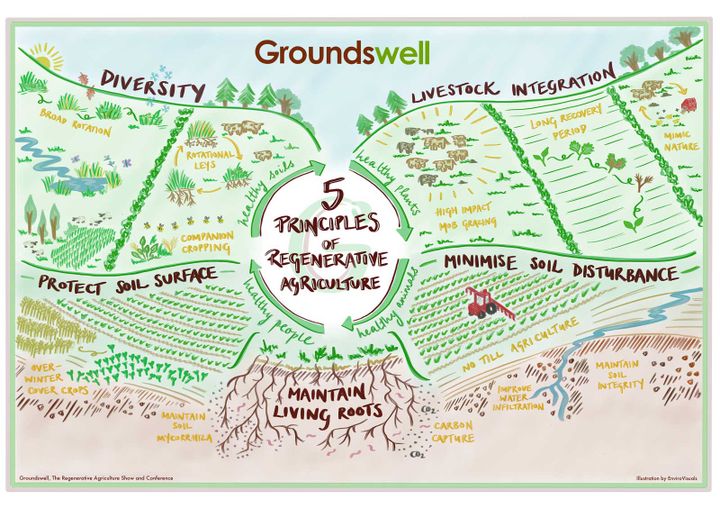
Nature, the secret ingredient in our food Perhaps this should say Nature, the secret ingredient missing from our food! By Kate Heightman Because it certainly is missing from indoor-reared pork and chicken, as well as intensively produced beef, dairy, and cereals, fruit and vegetables, which rely heavily on synthetic fertilisers, pesticides, and herbicides. There are public
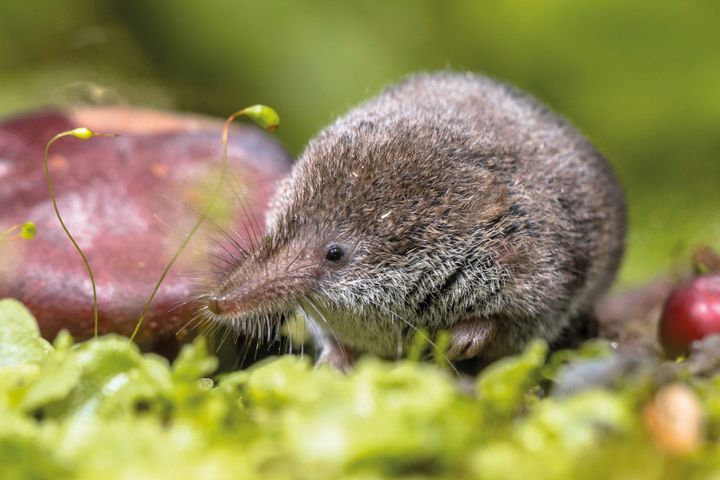
Shrews, life in the fast lane Scotland’s smallest mammal eats hundreds of small invertebrates a day to survive. By Cherry Alexander I have always thought that all the small fluffy mammals in my garden are rodents, mice, rats, voles and shrews. The definition of a rodent is that their teeth keep growing throughout their life,
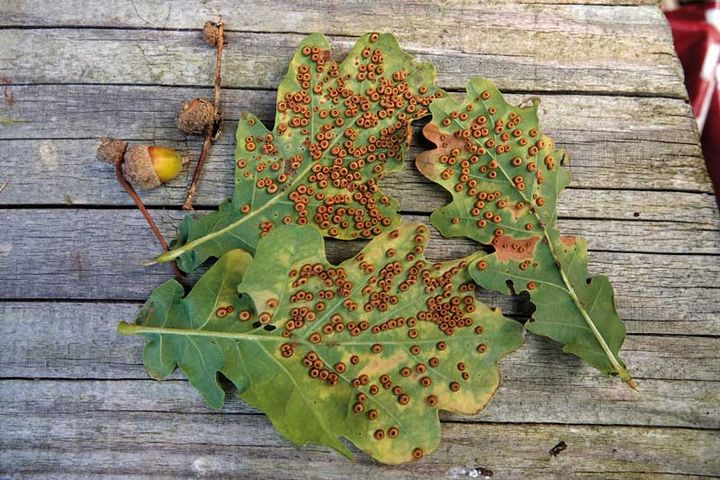
Plant galls You might have noticed strange, bulbous growths on oak leaves or rose stems. These curious structures, called galls, are nature’s hidden laboratories — formed when insects or fungi persuade plants to grow in extraordinary ways. By Cherry Alexander Silvia the editor and I talked about the subject for this issue.
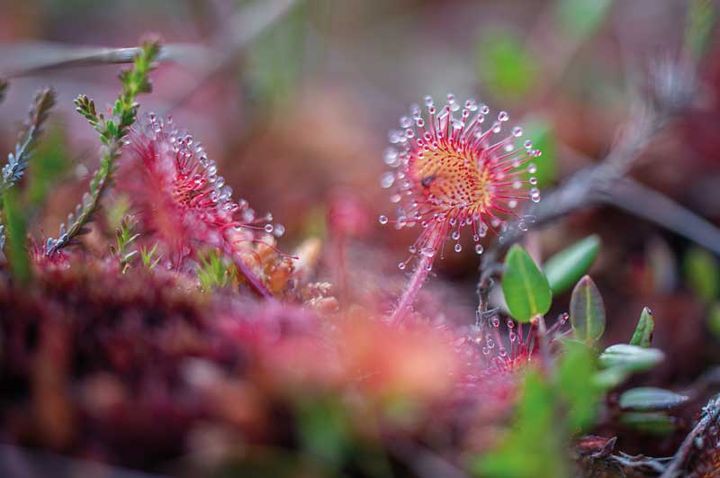
Carnivorous plants Dave Browne, member of the Carnivorous Plants Society, shares with us how he ended up ‘captivated’ by these plants, which blur the line between flora and predator, using ingenious traps to lure, capture, and digest unsuspecting insects. By Dave Browne My name is Dave and I’ve been a grower
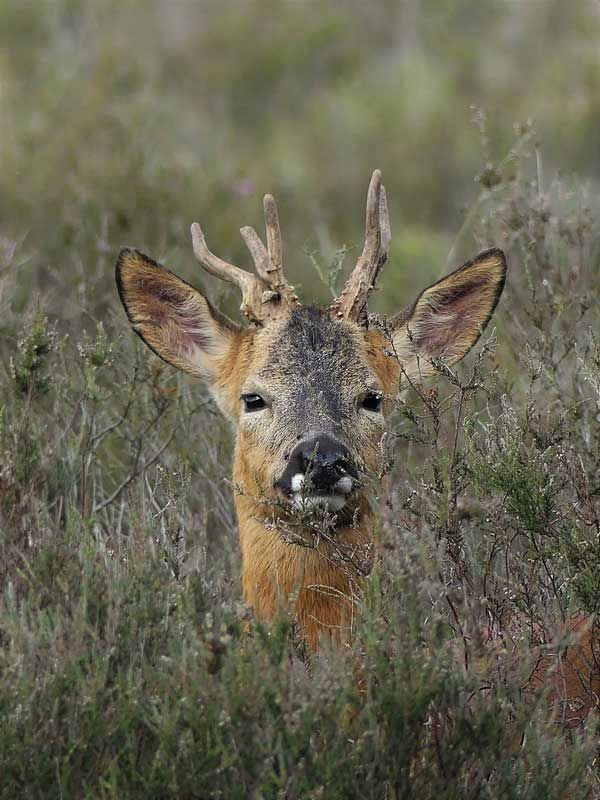
Roe Deer Roe deer, Scotland’s most common native deer, are found across the mainland in a wide range of habitats. They can be seen year-round, though they are most active at dawn and dusk. By Cherry Alexander Before we started to build our house, when the garden was unfenced from
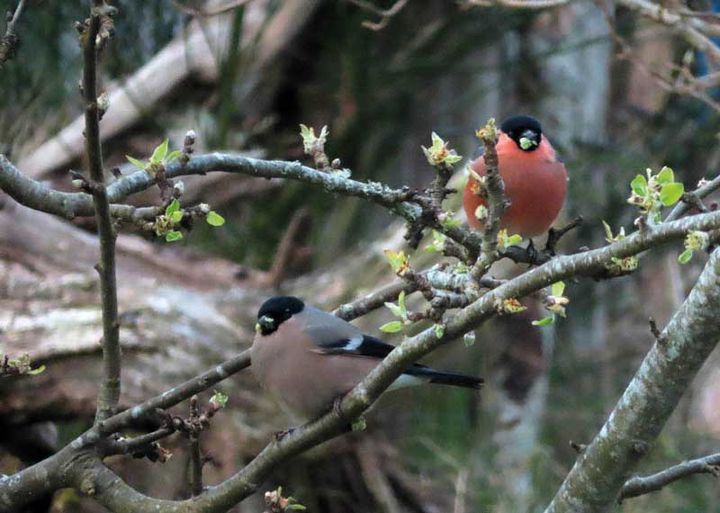
Garden birds Just how many birds are visiting our gardens? Portable Universe Codec (PUC) technology can help identify them. By Cherry Alexander (Left) (Right) The birds that visit my garden are a constant source of joy to me. Right now, in the winter, the robin is the most vocal of my visitors,