

Victorian-era Highland Games
Highland Games Historian Alasdair MacDonald continues his exploration into the rich history of Highland Games in and around the Kyle of Sutherland area.
Highland Games Historian Alasdair MacDonald continues his exploration into the rich history of Highland Games in and around the Kyle of Sutherland area.
By Alasdair MacDonald
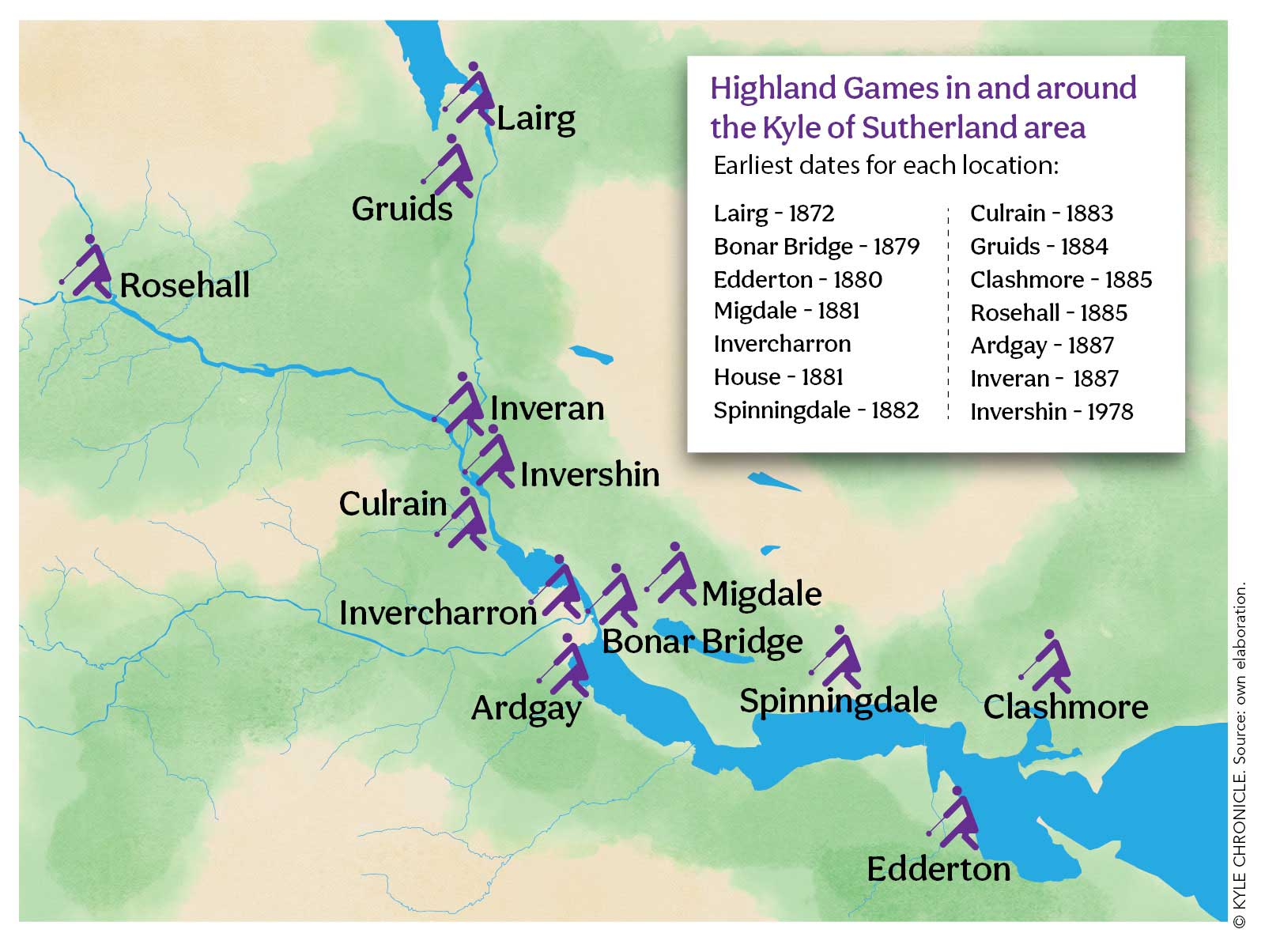
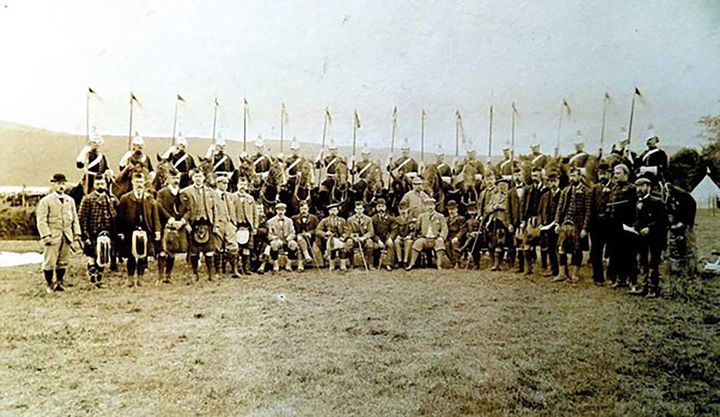
In the previous edition, the author wrote about the origins of Highland Games in general and concentrated on the earliest Games that were held within the Kyle of Sutherland area. In this article, details will be given of six further Highland Games that have been held in, or near, the Kyle of Sutherland area. In chronological order, they are, Edderton (1880), Spinningdale (1882), Culrain (1883), Clashmore (1885), Rosehall (1886) and Inveran (1887).
By way of an introduction to this edition, it was felt important to mention ‘when’ and ‘why’ many places inaugurated Highland Games. Online searches suggest that “Highland Games originated as a way for Scottish clan chiefs to identify the strongest, fastest, and most skilled individuals for military service, messengers, and to showcase clan talent.” However, these claims are not supported by the author’s research, which determined that a very high percentage of Highland Games were in fact originated to celebrate some sort of event.
Highland Games were held to celebrate various festivities, such as New Year (old & new - January 1st or 14th), Handsel Monday (1st Monday in January), Lammas/Lughnasady (1st August), Michaelmas (29th of September), Harvest (late September or early October) and Christmas, both old & new (25th December or 6th January).
Games were held to celebrate Royal occasions, such as Coronations and Jubilees. They were also held to celebrate Birthdays, especially ‘Coming of Age’ types, Weddings and Funerals.
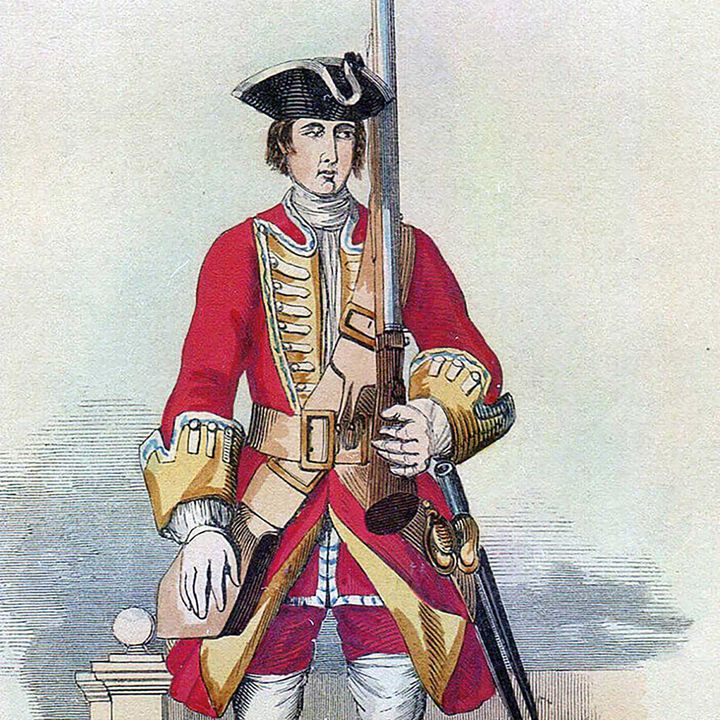
Scottish regiments held Games during their training and held their own annual Games. Numerous ‘Peace Games’ were held to celebrate the end of both World Wars.
Markets, Horticultural and Flower Shows held Games as part of their attractions.
A number of businesses treated staff and their families to annual excursions and Picnics, at which Highland Games were held. Various Free Masonry and other types of Societies held Highland Games. Highland Games were held by Football Clubs, Shinty Clubs, Cricket Clubs and Quoit Clubs. Regattas were held in many coastal areas, at which land/shore Games were held.
Back in the mists of time, certain ‘single’ stand-alone events, such as Putting a Stone, Lifting and/or Throwing Heavy Weights, Running and Leaping, were undoubtedly being held across the world. Modern images of Highland Games, where multiple forms of such single ‘events’ are combined into entertaining athletic competitions and viewed by spectators, are a relatively new concept, first recorded in the late 18th century. Though some ‘modern Games’ hold clan rallies, there appears to be no evidence to support the theory that Highland Games were inaugurated by clan chiefs “to identify the strongest, fastest, and most skilled individuals for military service, messengers, and to showcase clan talent.” It is a myth, not based on facts.
Edderton
Though technically Edderton does not lie within the Kyle of Sutherland catchment area, it is a close neighbour, so was considered worthy of inclusion for this article. In 1880 Highland Games took place in the parish, on January 12th (Old Style New Year), on Mr Ross’s Farm at Balblair. The events were – Putting Light and Heavy Stones, Throwing the Hammer, Long Race, Short Race, High Leap, Long Leap, Sack Race, Three-Legged Race, Boys’ Long Race, Boys’ Short Race. A Tug-of-War took place between a team from above the Turnpike Road and a team from below the Turnpike Road. The upside team won.
Despite drifting snow, Games were once more held on Mr Ross’s field, on Old New Year 1881. Added to the events were a 2nd Hammer event, a Hurdle Race and a Hop, Step, and Jump competition. The Tug-of-War was between teams from the east and from the west of the parish, which was won by the team from the west.
Highland Games continued to be held annually in Edderton, until 1899, when they were held on Monday 2nd January, in the village’s Manse Park. This was the 20th anniversary of the Edderton Games, and was the first time that they were held to celebrate the New Style New Year. The traditional events now included a Girls’ Race, an Old Men’s Race, Highland Dancing and Piping. The Tug-of-War competition was won by a combined team of Farmers and Ploughmen, against a team of Crofters and Distillery men.
Spinningdale
Highland Games were held at Spinningdale, on Old New Year’s Day (January 14th) 1882, on one of Mr Mann’s fields. The events were - Putting Heavy Stone, Long Leap, High Jump, Long Race, Short Race, Wheel Barrow Race, Sack Race, Three-Legged Race, Catch the Bell Man, Boy’s and Girl’s Races. Two targets were also set up in a field opposite Mr Macdonald’s shop, where shooting was enjoyed throughout the day.
In 1883, Games with similar events, with the exception of shooting, once again took place on Mr Mann’s field. A Tug-of-War competition was added, between married and single men, the latter being victorious. In 1884, the Spinningdale Games changed venue and took place in Mr Gunn’s field. New to the programme were a Caber competition, Highland Dancing, a Hop-Step-and Leap competition and a Married Men’s Race. In 1885, the Games returned to Mr Mann’s field. There was a shorter programme of events, perhaps due to a game of football which also took place and ended the day’s proceedings. There is no known record of further Games being held in Spinningdale.
Culrain
The first Highland Games to be held in the Culrain area, took place in a park adjoining the School-house, on Friday 12th January 1883 (Old Style New Year). This was about a quarter of a mile north west from the site of the Battle of Carbisdale, which took place on 27th April 1650. The events were Throwing the Hammer, Boys’ Race, 200 Yards Short Race, Putting the Stone, Running Long Leap, Piping, Highlands dancing, High Leap, Married Men’s Race and a Hurdle Race. There were two Tug-of-War competitions. The first was between married and unmarried, which was won by the unmarried. The second was between tenants and employees of the estate, which was won by the employees. Alex. Littlejohn of Invercharron donated £10 towards the Games fund. £5 was for the general fund and £5 was donated for the Tug-of-War. This contribution was said to have brought out a larger number of competitors and was essential to the success of the day.
The inaugural Culrain Games were not without some controversy. The published results were questioned by an Ardgay resident, who used the pseudonym “Black John”. He questioned why the events were not open to people from outwith the Culrain area, when members of the committee had actively sought donations from elsewhere. He also asked why the results of an additional race, which was the only event open to “all comers”, did not mention the winners names, as they did not belong to Culrain. The newspaper query was answered by a resident from Culrain, who used the Nom de Plume “One Who Knows”. He said that he had checked the subscription lists and “failed to find that ‘Black John’ or any other coloured John in the Ardgay district subscribed a penny.” Several other letters regarding evidence that subscriptions were obtained from outside Culrain, despite the Games only being open to locals, were exchanged between the pair, until the editor stopped their correspondence.
Highland Games again took place in Culrain on Monday 14th January 1884. Newspaper headlines of the day, called them the ‘Culrain and Invershin Annual Games’. Donations were given by Mr Mackay, Portinleek (a.k.a. Port-na-Leek, Portnaleek, and Portinleck), Alex. Littlejohn of Invercharron and Sydney Hadwin, Balblair. No doubt as a result of those donations, the Games were “open to all-comers”. The prize winners came from Corvest, Balchraggan, Ardgay, Culrain, Auchurigil, Rosehall, Invershin, Syall and Ardchronie. Highland Games, open to ‘all-comers’, were once again held at Culrain, on Monday 12th January 1885 (Old Style New Year), when the usual events took place. Newspapers of the day referred to them as the ‘Culrain and Invershin’ Highland Games’, despite them being held in Culrain. Just 6 months later, the traditional Old Style New Year (12th January) date for the Culrain Highland Games, changed forever. On Tuesday 28th July 1885, Games were again held at Culrain. Newspapers called them the ‘Invershin – Highland Games’. They were held within a roped arena, on a grassy hollow, having high ground all round, close to where the railway crosses the Kyle. Mr Littlejohn of Invercharron and others, contributed towards the prizes. Mr Duncan Campbell, of the Invershin Public School, was the secretary. The weather was considered to be rather warm, and people took shelter under the shades of trees and umbrellas.
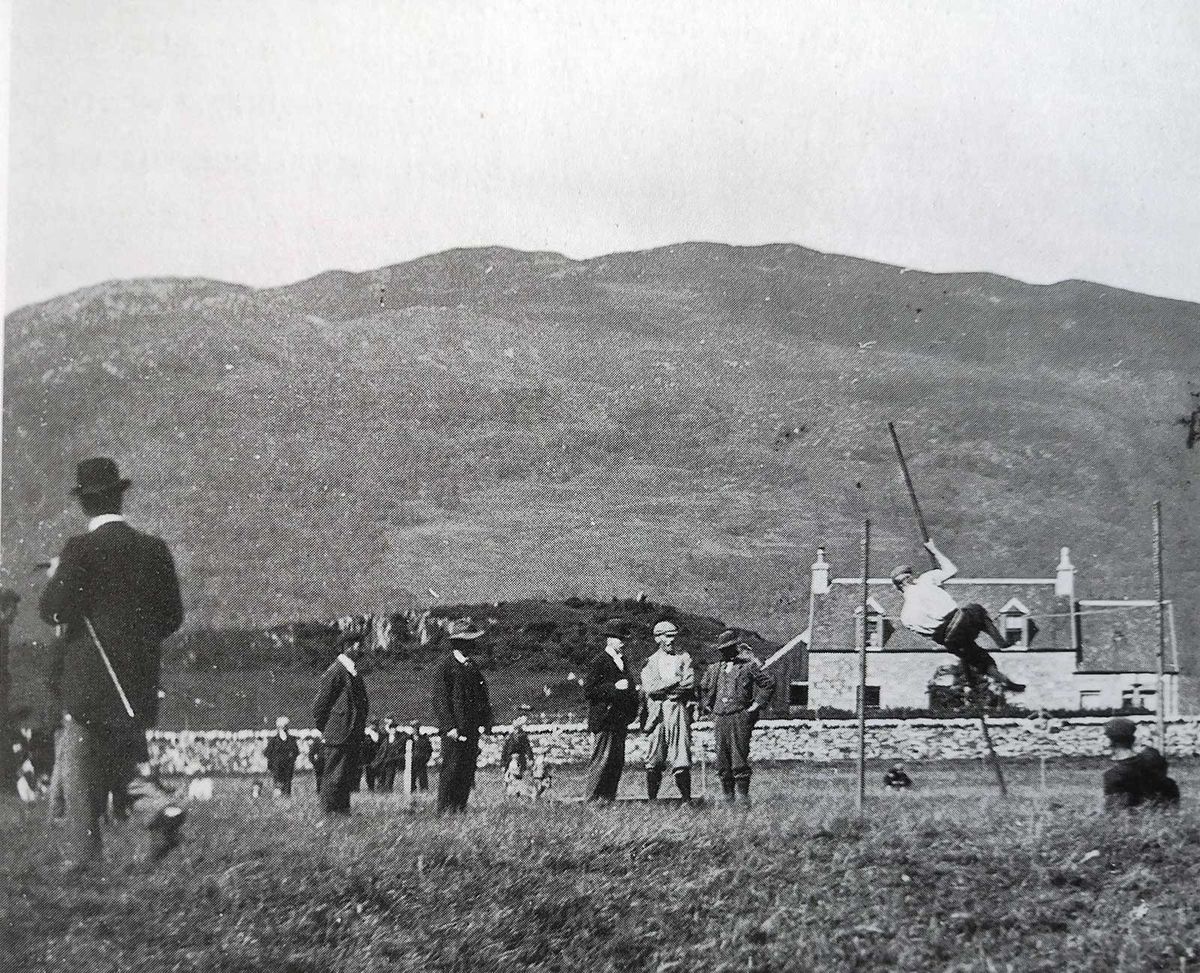
The next Games to be held at Culrain, was on Thursday 22nd June 1911. They were held to celebrate the coronation of King George V and Queen Mary. They were held in a park, granted by the Dowager Duchess of Sutherland, who was the principle subscriber. Staff from Carbisdale Castle assisted throughout the day. The events were – Putting the Ball, Long Leap, High Leap, Hop, Step and Leap, Pole Vault, 100 Yards Race, a 150 Yards Race and a Sack Race. Also included were a Ladies over 40 Race and a Ladies Thread-the-Needle Race. There were also multiple events for Boys and Girls, including several Foot Races, a Wheelbarrow Race, a Blindfolded Race, a Three Legged Race, a Sack Race and an Egg and Spoon Race. A five-a-side Football match also took place. The day’s proceedings ended with a Tug-of-War between married and single men, resulting in a victory for the married men. Exhibitions of Highland Dancing were given by Mr Donald Ross, Gledfield.
Clashmore
The village of Clashmore held Highland Games on Monday 12th January 1885 (Old Style New Year). They were held in a field belonging to Mr Munro, Inn-keeper. The events were - Putting the Light and Heavy Stones, Throwing the Hammer, a Long and a Short Race, Long Leap, High Leap, a Three-legged Race and an Old Men’s Race. For Boys, there was a Foot Race, a Long Leap and a Smartest Walker competition. A Highland Dancing competition also took place.
Rosehall
On Wednesday 19th August 1885, Highland Games took place In Rosehall, on the farm of Auchurigle. The events were – Throwing the 18lb Hammer, Throwing the 22lb Stone, Long Leap, High Leap, Pole Vault, Short Race, Long Race, Hurdle Race, Married Men’s Race, Boys’ and Girls’ Races, Piping and Highland Dancing. A Quoiting competition also took place. The winning competitors came from Glencassley, Glenrossal, Auchurigle, Walkerdale, Invernauld, Barracks, Invercassley, Badfluich and Invershin.
On Tuesday 28th September 1886, Highland Games were held on the meadow below Rosehall House. Newspapers of the day called them the ‘Rosehall and Invershin Games’. Though it was a stormy day and people were coming and going, it is believed that between three and four hundred people had attended. The Bonar Flute Band also attended. The events were – Throwing an 18lb and a 16lb Hammer, Throwing a 24lb Heavy Stone and a Lighter Stone, a Short Race, a 1 Mile Race, Long Leap, High Leap, Hop, Step and Leap, Pole Vault, Piping, Highland Dancing and a Tug-of-War between Married and Single, which was won by the married.
Inveran
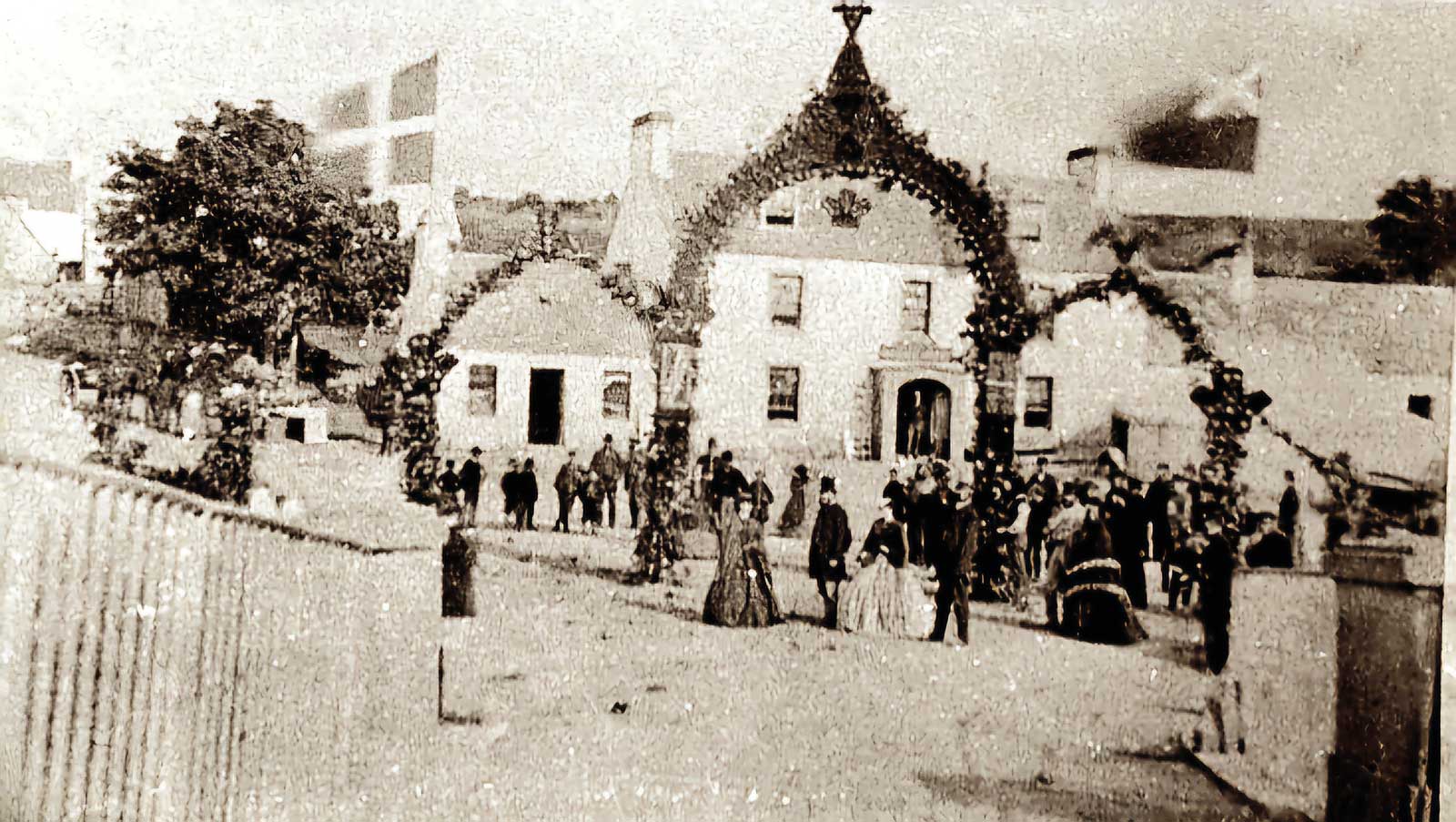
On Tuesday 21st June 1887, to celebrate the Golden (50th) Jubilee of Queen Victoria, Highland Games were held at Inveran. They were under the superintendence of Sir Percival Haywood, Bart., of Donsley, Staffordshire and the Misses Heywood and Master Heywood, who were residing in the Inveran Hotel. The events were – Throwing the Hammer, Putting the Stone, Obstacle Race, Short Race, Long Race, Three-legged Race, Long Jump, Hop, Step and Jump and Boys’ Races. A Tug-of-War between married and single men, was won by the married men. A grand dinner and ball were held in the evening.
Punta Arenas, Chile
At the end of last edition, mention was made of a Highland Games that took place in Punta Arenas, Chile. They were held on Friday 1st January 1897, near the Hotel Cabeza del Mar, Sandy Point, Straits of Magellan. They were hosted by its landlord, Mr A. Macdonald, the son of Mr Robert Macdonald, Loch Corr, Ardgay. The events were – Tossing the Caber, Putting the Light Stone, Long Jump, High Jump, Hop, Step, and Jump, 100 Yards Race, Egg and Spoon Race and a Wide Jump. Several Horse Races also took place.
Informal and unique ‘Highland Games’ are known to have taken place in Antarctica. However, such events were considered to have been internal morale boosting events rather than traditional public Highland Games meetings. As such, the Chilean Highland Games, organised by an Ardgay man, may well be a contender for hosting the most southerly Highland Games in the world.
The next edition will include details of Kenny’s Games, which were held in Kincardine, Ardgay and Invershin. It will also include details of the so-called ‘Invercharron Highland Games’ which have also been held in a variety of places within the Kyle of Sutherland area.
Comments ()