
50 years of Sutherland... ... and 800 years of Clan Ross
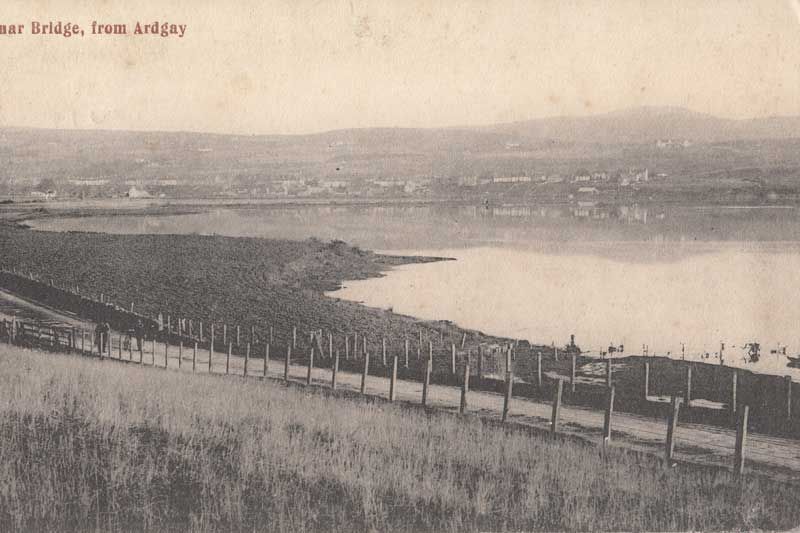
We reproduce here Jason Ubych’s talk on the story of Ardgay & District that he was invited to read at the Ardgay in Sutherland Golden Jubilee celebration in May.
By Jason Ubych, Curator, Tain & District Museum & Clan Ross Centre Tain Museum
I’ve brought something with me today: the Balnagown estate books from the 1920s. They’re full of names I think many of you will recognise – Rosses, Munros, Grahams – so many Ross families, in fact, that most had to adopt family aliases just to tell them apart: the Watts, the Roys, the Beckies, the Bains, the Burkes, and many more.
I wouldn’t be surprised if a few of you find a grandfather, great-aunt, or neighbour listed in here. These aren’t just estate records – they’re reminders that this land has been shaped by your families, your names, for generations.
But why are there so many Rosses here? Why do those names appear again and again across the centuries?
Let me explain why.
Ardgay has always been central –to the Earldom of Ross, to Clan Ross, and to the peninsula itself. Its importance stretches back even before the time of the Earls. The remarkable Pictish art we associate with Tarbat in the 8th century has also been found here at Kincardine, reminding us that this was likely a place of shared culture, belief, and power long before the age of chiefs and charters.
From these beginnings, we learn that this was the original home of Fearn Abbey, founded in the early 13th century. When the Abbey moved east to Easter Ross in the 1230s, the lands here – Ardgay, Kincardine, Wester Fearn –remained central. They were granted to the new Abbey and became part of its permanent endowment.
These ties were old. For centuries, these lands funded Fearn Abbey, which became the burial place of the Earls of Ross and the chiefs of Clan Ross.
Indeed we find, there are several place-names in Kincardine and Strathcarron thought to honour Walter Ross, son of the Earl of Ross – one of only two knights recorded by name as dying at the Battle of Bannockburn in 1314 – including Leaba Bhàltair (“Walter’s Bed”) and Walter’s Forest.
After the loss of the Earldom in the 15th century, the Rosses of Balnagown retained their power through land. John Ross of Balnagown, the leading figure of his time, held extensive estates across Easter and Wester Ross –including Westray (Edderton), Strathcarron, Strathoykell, and Invercassley. Though the title of Earl passed from the Ross family, their dominance on the ground remained intact.
It was to these lands – Edderton, Strathcarron, and Invercassley –that the Rosses turned in 1487, when the Mackays of Strathnaver raided south across the marches. But here, at Alt Charrais, they suffered their darkest day. In the battle that followed, Chief Alexander Ross of Balnagown and many of the leading men of Easter Ross were killed. It was a devastating blow –a turning point that marked one of the bloodiest episodes in the Ross–Mackay feud, which would continue for years.
Then, in the early 1500s, Abbey lands at Kincardine were granted to William Ross of Ardgay, who served as Clan Chief from around 1528 to 1540, during the minority of his nephew. William built a tower house here and began a lasting branch of the family. He is buried in the Collegiate Church at Tain, just beside our museum.
By the end of the 16th century, most of the land here was in the hands of Rosses, and to a lesser extent Munros, who continued to pay rent to the Abbey –even as church power waned.
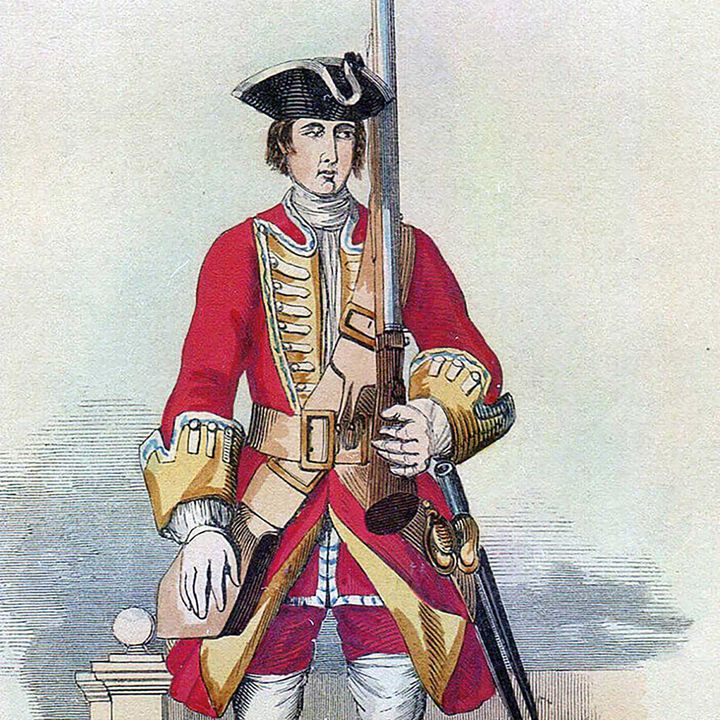
But Ardgay’s story didn’t end with land charters for grazing and fishing. Throughout the 17th century, these lands supplied men for war. Local Rosses and Munros fought in the 30 Years Wars in Germany, the Civil War –at the Battle of Carbisdale, not far from here, and later at the Battle of Worcester in 1651, against the forces of Oliver Cromwell.
The cost was steep. The Chief of Clan Ross died imprisoned in the Tower of London. Others –Rosses and Munros alike – were captured, shipped to America, and sold at auction in Boston. From the banks of the Kyle to the battlefields of England – the story of Ardgay is part of a much wider history.
Even your legends reflect this. Stories tell of the ghost of Captain William Ross of Invercarron, who died fighting in “the High Germanie,” returning to warn a boastful young lad on the banks of the Oykel.
During the Jacobite Wars, the Rosses played a key role in the early stages –but by the time of Culloden, Balnagown had fallen into the hands of strangers, and the clan was broken and splintered.
David Ross of Midfearn fought on the government side at Culloden in 1746. But not all Rosses stood together. Young Malcolm Ross of Pitcalnie, whose father should have inherited Balnagown, joined the Jacobite cause. He was wounded at the Battle of Littleferry, just days before Culloden.
Fleeing the field, wounded and hunted, Malcolm was said to have been rescued by Ann Graham, who carried him to safety. He found refuge at Amat, hiding out in the hills above Strathcarron before finally fleeing into exile. He died abroad, far from the lands his family once ruled.
We know what happens in the 18th and 19th centuries –the Year of the Sheep, Glencalvie, and Greenyards.
And after all this, in the 1920s, Ross, Munro, Graham are names that feature heavily in the Balnagown Book, which I’ve brought with me today.
Today, we’re here to celebrate something genuinely good: the coming together of two communities –Bonar Bridge and Ardgay – whose histories, families, and futures have long been intertwined. That unity is something to be proud of, and marking it today is both right and overdue.
But while this partnership is cause for celebration, there’s also a quiet truth worth remembering: moving the geographic boundary of Sutherland into Ardgay –into the heartland of Clan Ross – feels a little off. For hundreds of years, this land was Ross country. It was here that abbeys were founded, battles were fought, and chiefs were buried.
So perhaps, as people come across the bridge heading south, they should be met with a sign that says:
Welcome to Clan Ross Country.
Because that’s what this place has always been.
Tain & District Museum & Clan Ross Centre Tain Museum. Tower Street, Tain IV19 1DY) is open 10am - 4pm, TUE - FRI, April - October. website
Comments ()