
Mapping the North Central Highland’s energy future
A story of new proposals, grid constraints and growing local government opposition.
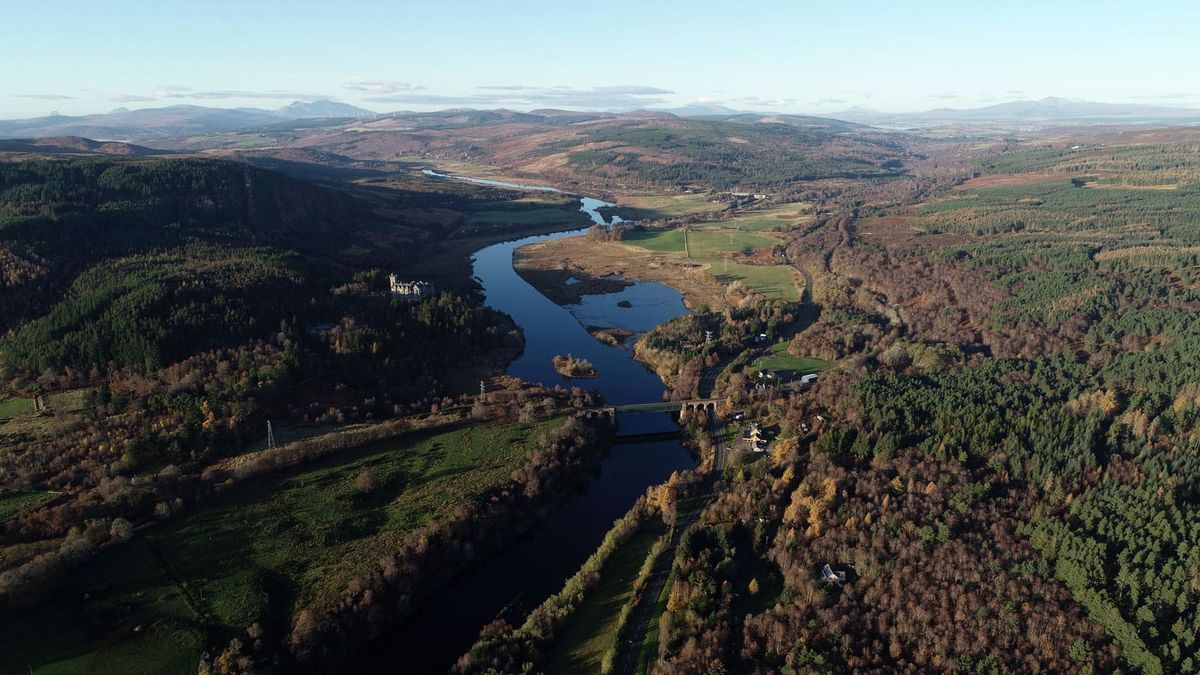
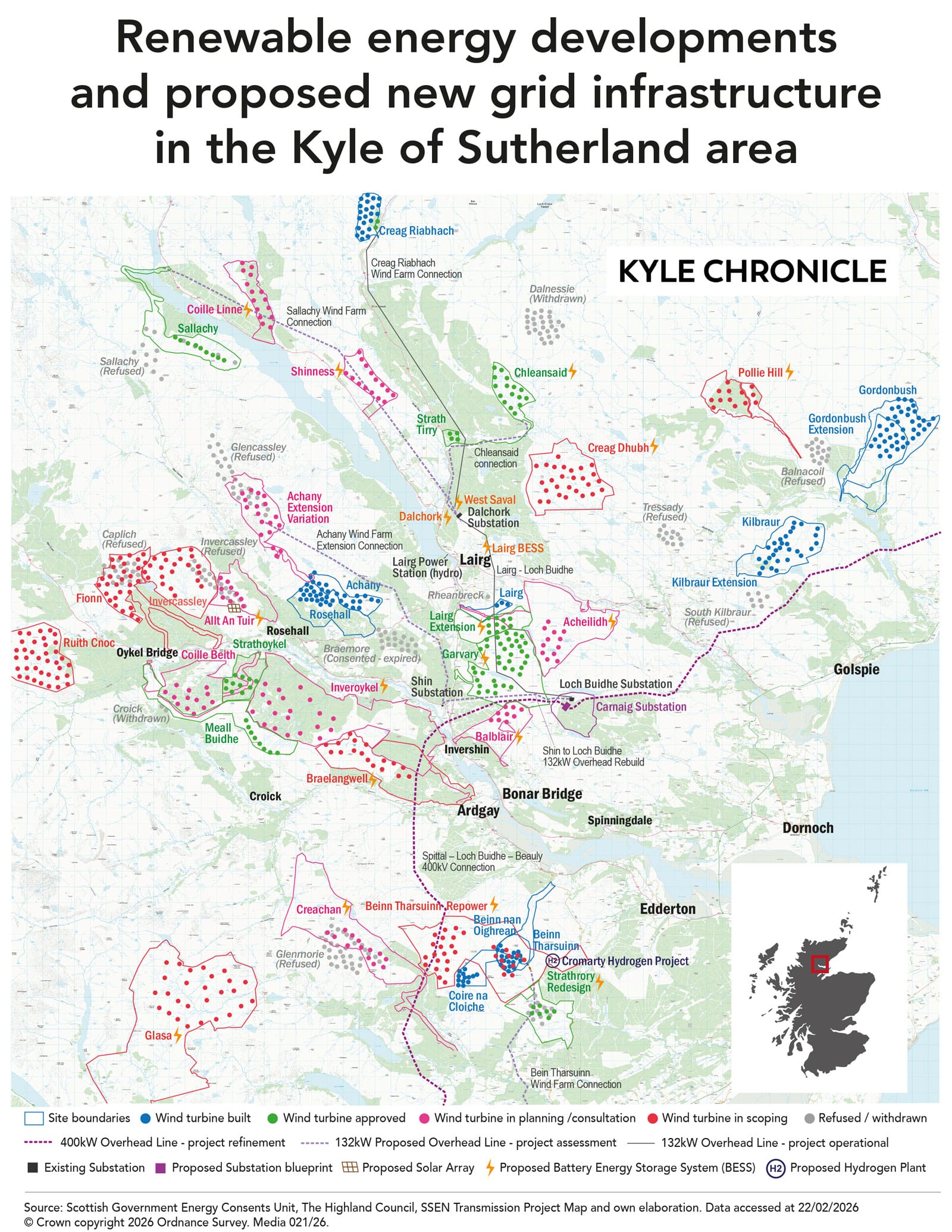
In June 2025 Kyle Chronicle mapped all the wind farm developments either built, approved, and in planning or scoping for the Kyle of Sutherland and surrounding area. The resultant map highlighted how communities in central and south Sutherland and Easter Ross have been overwhelmed in recent years by what feels like a relentless flow of wind farm applications, appeals and reapplications, and by a planning process that seems designed to bypass local democracy.
New proposals
Since June 2025, there have been 8 new wind farm proposals for this area on the Energy Consents Unit (ECU) site. A new application is logged when a project is submitted for the first time (scoping), once a proposal starts the planning process (consultation), and when a developer seeks to change a project that had been previously granted permission (variation). So, our area had 8 out of the 19 wind farm proposals for the whole Highland Council region, including three brand new wind farm sites projected: Fionn (on the site of a previously refused project called Caplich); Ruith Cnoc, west of Oykel Bridge, and Creag Dhubh, north-east of Lairg. These newly proposed developments bring the figure of wind turbines projected or approved to 402, which potentially could generate over 3GW. These new wind turbines are between 150 and 250m high, compared to the 172 wind turbines operational in the area, with heights between the 80m on Beinn Tharsuinn and the 150m of Gordonbush, and a combined installed capacity of 384.5MW.
Grid constraints
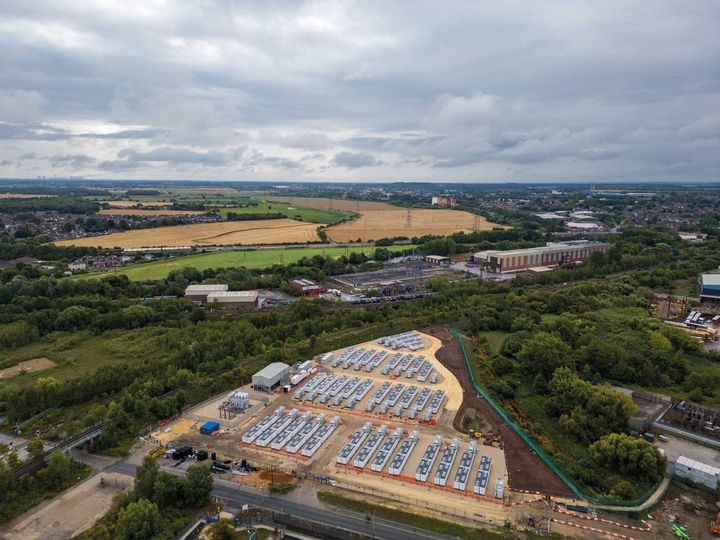
When planners are asked to decide on a planning application, they do so independently of the ancillary infrastructure needed to connect it to the grid. However, a development won’t effectively go ahead unless a grid connection is secured. Meall Buidhe, for example, approved in June 2023 by the Scottish Government, overruling a previous refusal by the Highland Council, has recently been granted a 3-year extension to the planning permission until 2029, to account for a delayed grid connection date.

Up till now, developers would expect the grid to come to their development no matter how far away it was from a connection and the distance from the consumption of the energy, with projects waiting 10 to 15 years for a connection.
National Energy System Operator (NESO) is the public corporation deciding on the priority for new energy projects’ connection to the grid. In December 2025, NESO announced its plans which aim to liberate the queue from the so-called “zombie” projects. The plan prioritises some projects for 2030 delivery (Gate 2 Phase 1), and others for 2035 delivery (Gate 2 Phase 2). The rest, which don’t meet the readiness and strategic criteria are sent to Gate 1 and won’t be assigned a connection date. These non-priority projects include 152.9GW of BESS and 13.4GW of onshore wind, the third most oversubscribed technology after BESS and solar.
Local opposition
Grid connections and reinforcements are at the heart of one of the most controversial developments currently in the planning process. In November, The Highland Council (THC) lodged an objection to SSEN’s proposed 400kV overhead line from Spittal to Beauly. In December, THC rejected with a vote of 9-5 the 400kW Carnaig substation near Bonar Bridge (the size of 24 football pitches), and in February 2026, Highland Councillors voted unanimously against the 400kW Fanellan substation near Kiltarlity (the size of 37 football pitches).
These rejections come despite SSEN Transmission being the first business to sign up to the Highland Social Value Charter, an ambitious framework which sets the expectations of £7,500 per MW towards a regional wealth fund, on top of the current guidance of £5,000 per MW, set in 2014. The Westminster Government is consulting on whether to introduce a mandatory community benefits scheme for low carbon energy projects, while the Scottish Government is seeking views on updated guidance that would raise the recommended rate to £6,000 per MW. This last proposal has drawn criticism from those who argue that this doesn’t even keep up with the inflation of the original £5,000 per MW.
These developments are being followed closely by local campaigners. Tisi Dutton, a spokesperson for campaign group No Ring of Steel Kyle of Sutherland (NORoS), said:
“Communities across the country are facing an onslaught of uncoordinated renewable energy projects. Helen Crawford and those supporting her made a comprehensive case in bringing the plight of rural Scotland to the attention of the minister, Gillian Martin, and others in the Scottish Parliament. It’s heartening that progress is being made towards communities, through the Community Council’s Convention, becoming Planning Stakeholders in developmental discussions, which will create the important forthcoming Strategic Spatial Energy Plan. It is vital for local voices to be heard so that democracy is respected, because the strong feeling is that they are being dismissed and considered irrelevant."
“This is compounded by the Energy Consents Unit’s (ECU) decision to refuse emails in response to developers’ applications for windfarm and BESS developments. The minister says the old system was being overwhelmed administratively, processing 32,000 emails in the ECU in 2025, and that the new portal system will be more streamlined. However, there is a distrust that this system has the technical capability to actually accept representations. People are angry that representations must be restricted to 37,000 characters, restricting respondents’ ability to present a deep analysis of Environmental Impact Assessment Reports (EIAR).”
“The NESO reforms concerning grid connection backlog are welcome. Currently, an established grid connection is not needed when an EIAR is prepared for proposed developments, and connection is subject to a separate application, often months or even years later. It means that developments can be built without a realistic plan for connecting the energy produced to the grid. This is an untenable situation and shows how the current system favours developers and the landowners who host them.”
Seeing the full picture of what is planned for our area is striking — perhaps for the first time, we can view every proposed development together and understand how dramatically it will reshape the landscape, with what appears to be wind turbines on almost every hill.
Given developments on such an extraordinary scale, one might reasonably expect equally extraordinary benefits for the communities that host them. But, if it’s unclear whether an overall plan for all these developments exists, it’s even more uncertain how the beneficiaries of this energy “gold rush” are going to compensate rural communities for the industrialisation of their land.
Comments ()