

Advocating for a Neil M. Gunn Renaissance
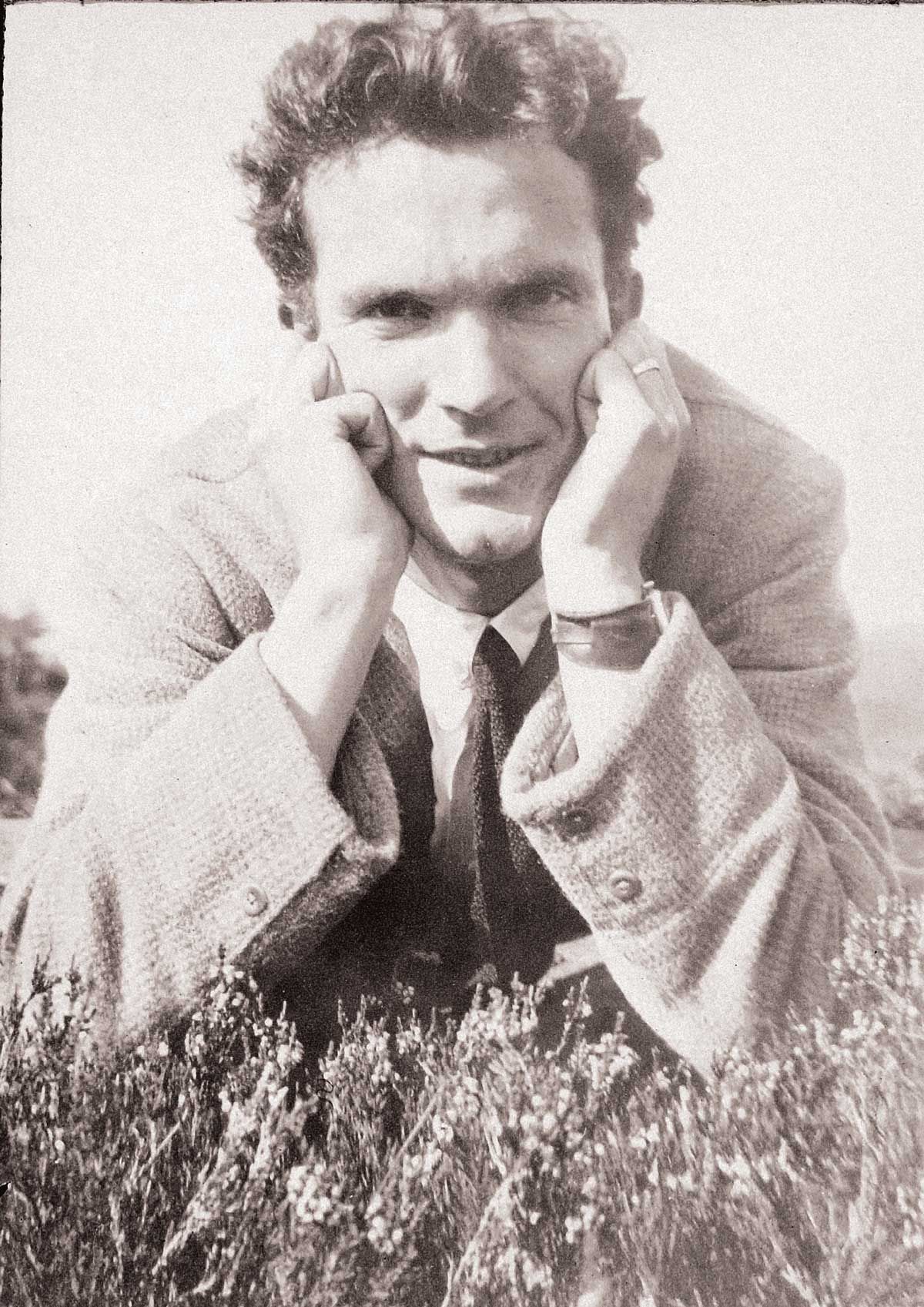
Neil Miller Gunn (1891–1973) was a prominent Scottish novelist, writer of non-fiction and critic, and is widely regarded as a leading figure of the Scottish Renaissance – a cultural movement that sought to revive Scotland’s national identity through literature and the arts, but unlike others, Neil M. Gunn chose to write almost exclusively in English rather than Scots or Gaelic, although he was heavily influenced in his writing style by the Gaelic language.
Born in Dunbeath in Caithness, Gunn was deeply influenced by the landscape and Highland way of life, going on to develop these themes in books and essays that would be read all over the world.
Gunn published his debut, The Grey Coast, in 1926, while he was working as a Custom and Excise officer at Glen Mhor distillery in Inverness. In 1937 his novel Highland River won the James Tait Black Memorial Prize and he gave up his post with the Civil Service to become a full-time writer. Later in life he lived in Strathpeffer, Dingwall, Cannich and Kessock.
He wrote more than 20 novels, as well as short stories, essays and journalism, receiving a host of international awards and honours and his work was widely adapted for stage, screen and radio broadcast.
The Neil Gunn Trust was established in 1986 and organises the biennial Neil Gunn Writing Competition - winners of the 2025/26 edition will be announced on 18th June in Dingwall.
Opening lines of Blood Hunt
By Neil M Gunn
As the collie whined again, the old man quietened her and listened, wondering if some of the lads had turned up for a night’s poaching. It wasn’t the season of the year to borrow the dog, but the spring salmon were on the run. Someone was pushing at the barn door. He slipped the braces back over his shoulders, for he had been on the point of getting into bed. Footsteps were coming now, quietly. The latch of the outside door rattled and Queenie growled.
Old Sandy buttoned his trouser-band and, going to the door, called, “Who’s there?”
“Police. Nicol Menzies.”
The boys had used the barn to hide a salmon net often enough. Sandy pulled open the door and peering into the darkness said with astonishment, “God bless me, what’s taking you here at this time of night?”
“Anyone been around in the last hour or so?”
“No. I was just going to bed.”
“Do you usually lock your barn door?”
“Lock it? No. . . . I got some hay in yesterday for the cow and may have—but what’s wrong?”
“My brother Robert was murdered two hours ago outside the public hall in Hilton.”
“Your brother—murdered!” So great was the shock that Sandy’s understanding seemed blinded by the darkness. “I can’t see you. Come in.”
“I want to have a look in the barn first. Give me the key.”
“The key? Wait till I get my boots on.”
“Just give me the key.”
But Sandy had turned back and as he pulled on his boots wondered where on earth the key was. Certainly he had not locked the barn door that day, or yesterday, or any day his fumbling mind could think of. The menace of the policeman was about him, about the lads he had known so long, and he could not gather his wits.
Groping along the top shelf of the kitchen dresser, his hand encountered a rusty iron key. Relieved to have a key of some kind, he called, “I’ve got it. Will I light the lantern?”
“No. I have a torch.” The policeman had not come in and his voice was guarded. He was obviously keeping watch on the long croft building, of which the barn was the lower end. There were no doors on the other side.
“This is terrible news,” said Sandy outside.
“What happened?”
“Not so loud. A dance at Hilton. Allan Innes attacked my brother.”
“Allan Innes!” Sandy’s voice was no more than a whisper now. “You don’t mean Allan Innes—killed your brother?”
“Yes.”
“Dear God!” breathed Sandy. “Allan!”
The policeman did not switch on his torch. Touching the wall now and then, Sandy arrived at the barn door.
“Where’s that keyhole?” he said, a sudden strong compulsion on him to speak loudly as though to warn Allan. The key rattled going in, but when Sandy tried to turn it in the lock it wouldn’t turn. All at once, however, the door yielded. As Sandy staggered forward his mind went blank. He could not let himself believe that the door had been opened from the inside, though his ear had caught the faint scrape of a wooden bar as his key had squeaked.
The policeman pushed past him and a circle of light shot onto the opposite wall. It began to travel slowly. A scythe hanging from its blade, coils of grass rope, a broken-toothed rake, a bunch of old rabbit snares, a wooden bin—across junk and cobwebs the light moved until it rested on a load of hay in the off corner with a two-pronged fork stuck upright in it. Now it was up on the ceiling of rough boards, sweeping towards the dark opening in the loft above the hay. A wooden ladder stood against the back wall, near the opening, yet not quite under it. The barn was small and clearly anyone hiding must either be under the hay or up in the loft.
As the policeman crossed to the hay, Queenie whined, not a loud sound but high-pitched, and Sandy, knowing every word the brute could utter, realised she was welcoming someone. He was harshly clearing his throat before his eyes quite picked out her dark body in the deep shadow. Her tail was wagging for someone behind the door.
Kyle Chronicle readers can take advantage of the 20% discount on North Press books - only for a limited time! Visit their shop here
Comments ()